Kenya’s growing public debt burden continues to exert significant pressure on the national budget, with new findings showing that debt servicing is consuming a large share of government resources, raising concerns over fiscal sustainability and economic resilience.
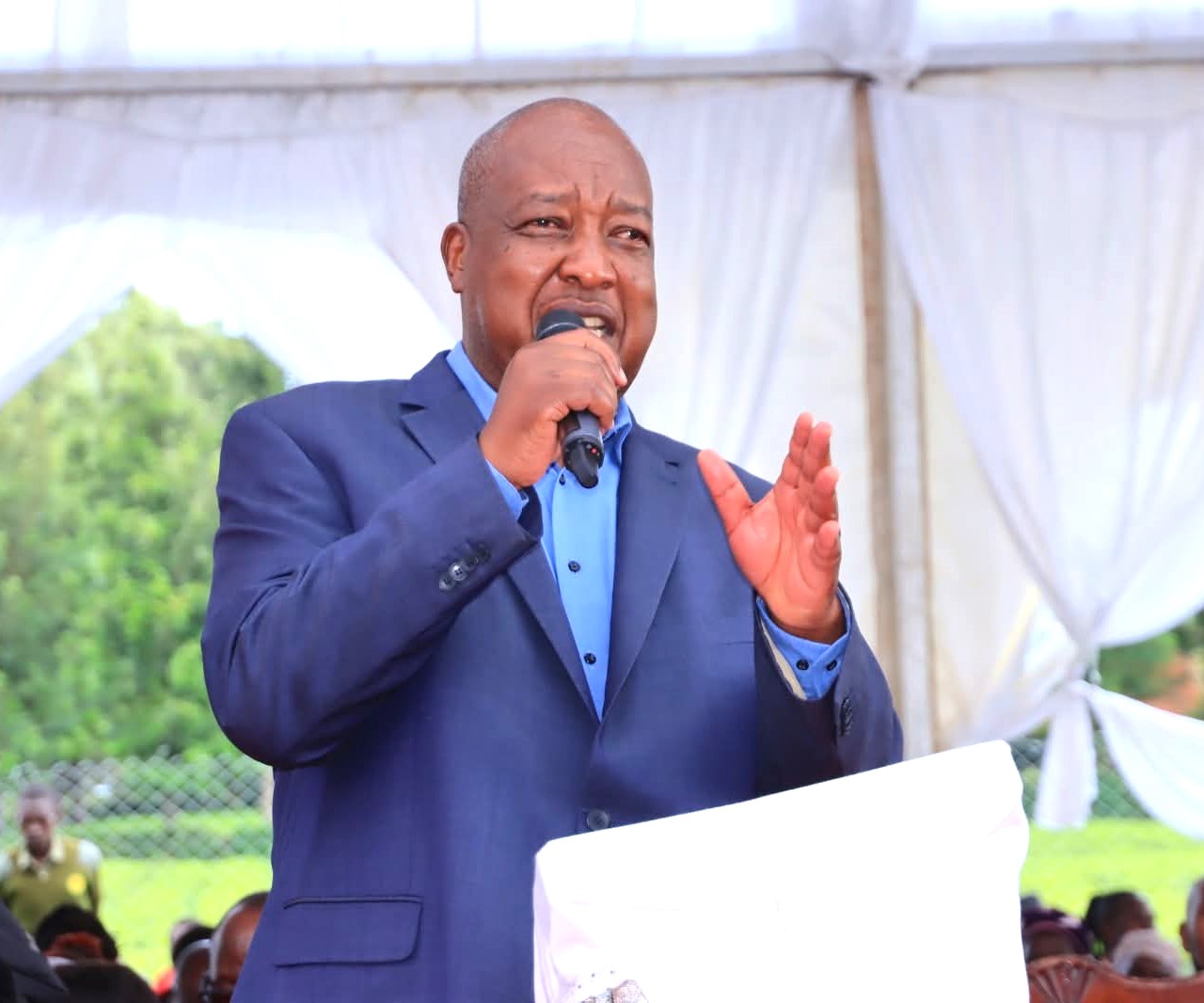
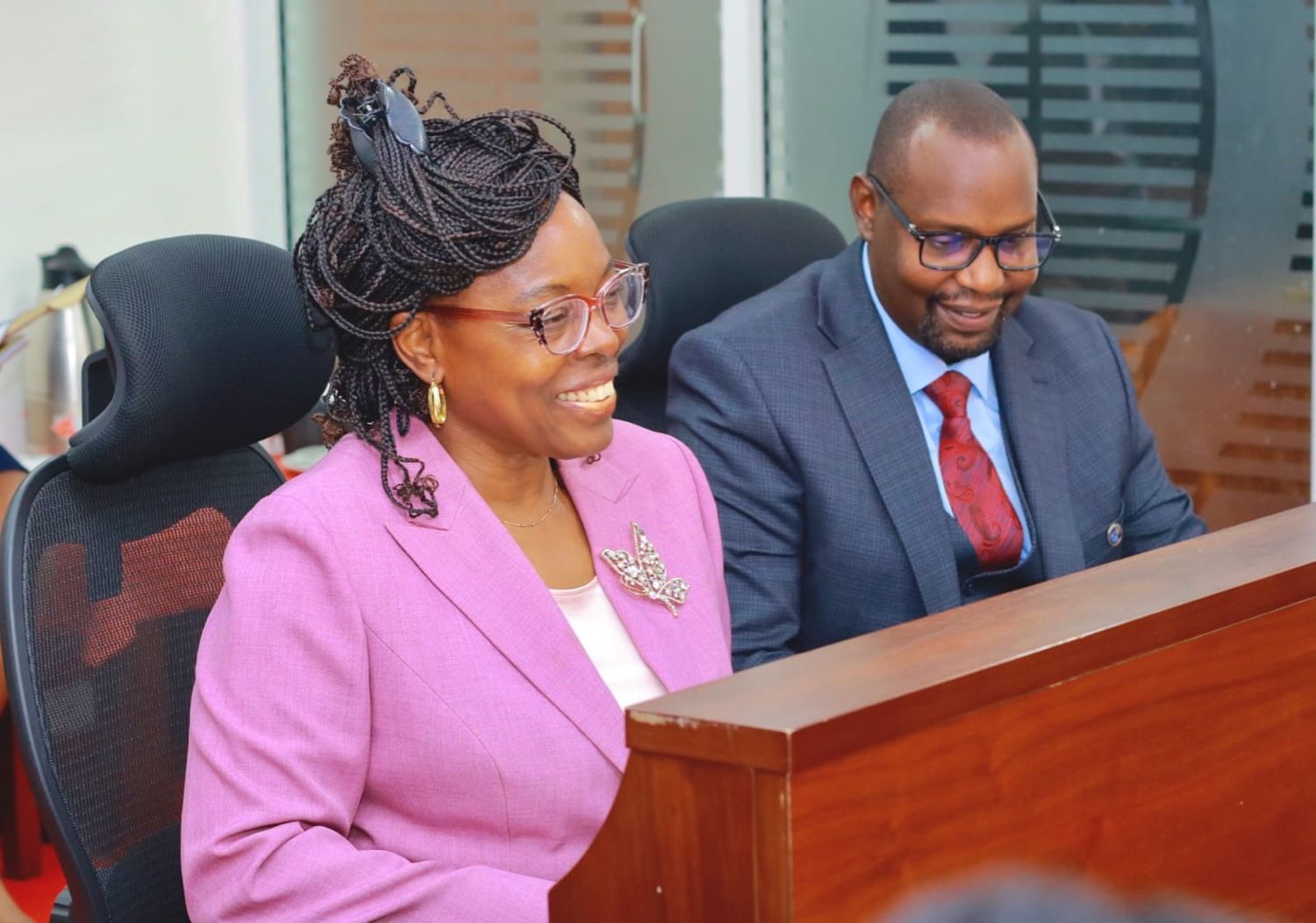
Appearing before the National Assembly Committee on Public Debt and Privatisation, chaired by Balambala MP Abdi Omar Shurie, Controller of Budget (COB) Margaret Nyakang’o reported that a review of the FY 2025/2026 budget—which targets to raise Sh4.69 trillion—revealed mixed results in the first half of the financial year.
Nyakang’o told MPs that government spending has remained high, with net exchequer issues to national and county governments amounting to Sh2.14 trillion, representing 48 percent of the annual estimates.
“In the first six months of FY 2025/26, net exchequer issues to national and county governments amounted to Sh2.14 trillion, representing 48 percent, similar to the same period in FY 2024/25,” Nyakang’o told MPs.
She further explained that the government continues to rely on domestic borrowing to meet its financial obligations, including servicing external debt and supporting the budget.
At the same time, the COB noted that the Consolidated Fund Services (CFS) vote remains dominant in expenditure, stating that, “The CFS vote received the highest proportion of exchequer issues at 50 per cent.”
Debt servicing continues to take up the largest portion of this expenditure, with Nyakang’o affirming that, “Allocation to servicing public debt represented 89 percent of the CFS budgetary allocation towards interest payments and debt redemption.”
In the first six months alone, total debt servicing costs stood at Sh923.14 billion, underlining the scale of Kenya’s repayment obligations.
According to the COB report, the surge in debt-related expenditure is driven by a combination of structural and macroeconomic pressures.
“The growth in CFS expenditure is driven by several structural and macroeconomic factors,” she said, citing persistent fiscal deficits that have pushed public debt to approximately Sh12.29 trillion as of December 2025.
Nyakang’o highlighted key risks facing the country’s debt position, warning that, “Liquidity risk refers to the possibility that the government may not have sufficient cash or readily available resources to meet its short-term financial obligations as they fall due.” She added, “Refinancing risk is the possibility that the government may be unable to replace maturing debt with new borrowing on favourable terms, or at all.”
Beyond immediate debt pressures, the report warns of widening fiscal vulnerabilities that could undermine development priorities.
“High debt servicing obligations significantly constrain fiscal space, limiting the government’s ability to allocate resources towards development and social programmes,” Nyakang’o said.
She also flagged the rigidity of CFS expenditures as a major concern, noting that, “The non-discretionary nature of CFS expenditures introduces budget rigidity, reducing flexibility in responding to emerging priorities and economic shocks.”
Additionally, continued borrowing to meet existing obligations raises fears of a worsening debt cycle.
“Continued reliance on borrowing to meet both recurrent and debt obligations raises the risk of a debt spiral,” she warned.
The COB further cautioned about risks tied to contingent liabilities, particularly guaranteed loans, which could become direct obligations for the government.
To address the mounting fiscal pressures, the COB called for urgent policy interventions aimed at strengthening public finance management and debt sustainability.
During the session, Baringo North MP Joseph Makilap sought clarity on commitment fees, prompting Nyakang’o to raise concerns over what she described as a crippling burden.
On securitisation, Nyakang’o stated that her office does not have records on the matter. “Securitisation is outside the COB’s records. The National Treasury may provide more information. Any debt under securitisation may not be captured here,” she said.
She further raised concerns over Kenya’s rising cost of idle loans, warning that taxpayers are increasingly burdened by commitment fees and interest on funds that have yet to be utilised due to poor coordination between project implementation and resource mobilisation.
Bomachoge Borabu MP Obadiah Barongo asked the COB to confirm the country’s debt register and questioned who is responsible for the loans, saying, “Some people have exposed this country to loans. We are paying billions due to actions taken by individuals at the Treasury.”
“On commitment fees and interest, we continue to pay, and it appears to be a vicious cycle. We are paying for funds we have not accessed—essentially paying lenders for holding money for us—yet implementation delays persist. Often, there is a mismatch between implementers and resource mobilisation at the Treasury,” Nyakang’o said.
“It is that bad. In cases like Konza City and Kenya Power, we paid for underground cabling, yet Kenya Power was not ready and was not even aware such a loan existed,” she added.